

Table of Contents
- What Is Cold Brew Coffee and Why People Think It's Better for Acid Reflux
- Does Cold Brew Actually Have Lower Acidity Than Hot Coffee?
- The Caffeine vs. Acidity Distinction: Why One Matters More Than You Think
- How to Reduce Coffee Acidity When You Have a Sensitive Stomach
- Low Acid Coffee Beans: What to Look for and How They're Different
- Benefits of Cold Brew for Sensitive Stomachs and Who Should Try It
- Practical Tips for Brewing Cold Brew That Won't Trigger Reflux
- Conclusion: Is Cold Brew Right for Your Reflux?
- Frequently Asked Questions
Last Updated: August 31, 2026
What Is Cold Brew Coffee and Why People Think It's Better for Acid Reflux
Cold brew coffee is made by steeping coarsely ground coffee beans in cold water for 12 to 24 hours, then filtering out the grounds to create a smooth concentrate. Unlike hot-brewed coffee, which extracts compounds rapidly through heat, cold brewing uses time and water to pull flavours and caffeine slowly from the beans. The result is a naturally sweeter, less bitter beverage that many people with sensitive stomachs find easier to tolerate.
The belief that cold brew is better for acid reflux stems from a simple observation: cold brew has measurably lower titratable acidity than hot coffee. Titratable acidity refers to the total amount of acidic compounds in the liquid, chlorogenic acids, quinic acids, and other compounds that contribute to that sharp taste. When you brew with hot water, you extract more of these acids in a shorter time. Cold water extraction leaves some behind, resulting in a smoother, less acidic cup.
At Brew & Glow, our cold brew maker and low-acidity beans are designed with this principle in mind: extract less acid, keep more of the smooth flavour. However, lower acidity doesn't automatically mean cold brew won't trigger reflux. The caffeine content, which remains high in cold brew, still plays a significant role in whether someone experiences heartburn or gastroesophageal reflux disease (GERD) symptoms.
Does Cold Brew Actually Have Lower Acidity Than Hot Coffee?
Yes, cold brew consistently measures lower in acidity compared to hot-brewed coffee. Hot water is an aggressive solvent that pulls acidic compounds from coffee grounds quickly and efficiently. Cold water works more slowly and selectively, extracting fewer of the acidic compounds that give hot coffee its sharp, sometimes astringent bite.
Studies examining pH levels and titratable acidity have found that cold brew typically sits around pH 6.3 to 6.8, while hot coffee ranges from pH 3.8 to 4.5 (peer-reviewed research). That's a meaningful difference in terms of acidity levels.
However, "lower acidity" doesn't mean "no acidity." Cold brew still contains acidic compounds, just fewer of them. For someone with mild acid sensitivity, this reduction might be enough to make a noticeable difference. For someone with severe GERD, the acidity level alone may not be the deciding factor in whether they experience symptoms.
The brewing method matters too. A longer steep time, 18 to 24 hours, tends to extract slightly less acid than a shorter 12-hour steep. Coarser grounds reduce contact surface area, which can mean less acid extraction overall. This is why precision in the brewing process actually matters when you're trying to minimize acidity.
The Caffeine vs. Acidity Distinction: Why One Matters More Than You Think
Here's the part most guides about cold brew and reflux get wrong: acidity and caffeine are two separate triggers for acid reflux, and they don't cancel each other out.

Caffeine is a known trigger for gastroesophageal reflux because it relaxes the lower esophageal sphincter (LES), the muscle that acts as a barrier between your stomach and oesophagus (peer-reviewed research). When the LES relaxes, stomach acid can flow back up into the oesophagus, causing heartburn and irritation. This happens regardless of whether your coffee is acidic or not.
Cold brew actually contains slightly more caffeine per serving than hot coffee because the longer steeping time extracts more of the alkaloid (peer-reviewed research). So you could have a low-acid cup of cold brew that still triggers reflux symptoms simply because of its caffeine content. The acidity reduction helps, but it doesn't solve the caffeine problem.
This distinction matters for your approach. If your reflux is primarily triggered by acidity, cold brew might genuinely help. If caffeine is your main trigger, cold brew alone won't be the answer, you'd need to consider decaffeinated options or reduce your overall coffee consumption. Many people find their reflux is triggered by both factors, which is why some need to switch to decaf cold brew to see real relief.
The practical takeaway: don't assume that cold brew solves your reflux problem just because it has lower acidity. Test it yourself. Drink a cup and monitor your symptoms over the next few hours. If you feel better, the acidity reduction was likely the key factor. If you still experience heartburn, caffeine sensitivity might be the culprit, and you'd benefit from exploring decaffeinated options.
How to Reduce Coffee Acidity When You Have a Sensitive Stomach
If you're going to brew coffee at home with a sensitive stomach in mind, there are several practical steps that reduce acidity without sacrificing flavour.
Choose a longer steeping time. Aim for 20 to 24 hours rather than the standard 12-hour minimum. A longer steep extracts more of the smooth, sweet notes and leaves more of the sharper acidic compounds behind.
Use coarser grounds. Finer grounds have more surface area exposed to water, which means more extraction of all compounds, including acids. Coarse grounds reduce this contact, resulting in a less acidic final brew.
Brew with filtered water. Filtered water gives you a cleaner extraction and can subtly reduce the perception of acidity in the final cup.
Add a pinch of baking soda. Some people with sensitive stomachs find that adding a tiny amount of baking soda (about 1/8 teaspoon per cup) neutralises remaining acidic compounds. Start with a very small amount, as too much will make your coffee taste soapy.
Avoid reheating or keeping cold brew too long. Once you've brewed your cold brew concentrate, use it within 7 to 10 days. Older cold brew can develop off-flavours and potentially become more irritating to the stomach.
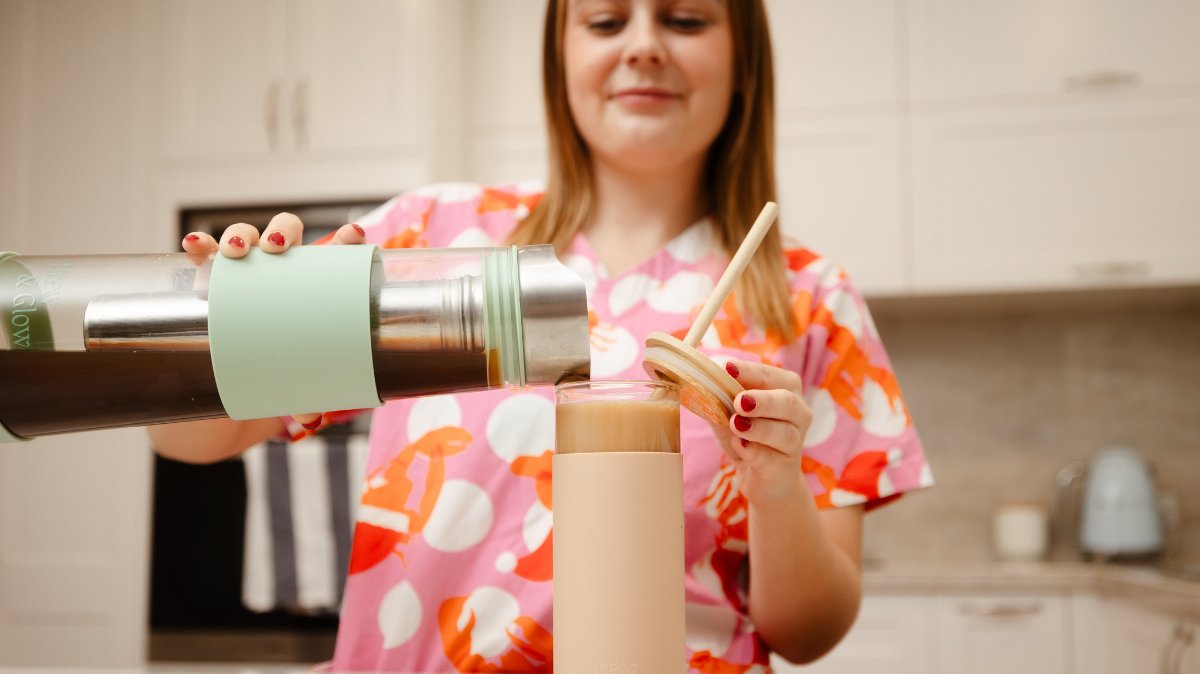
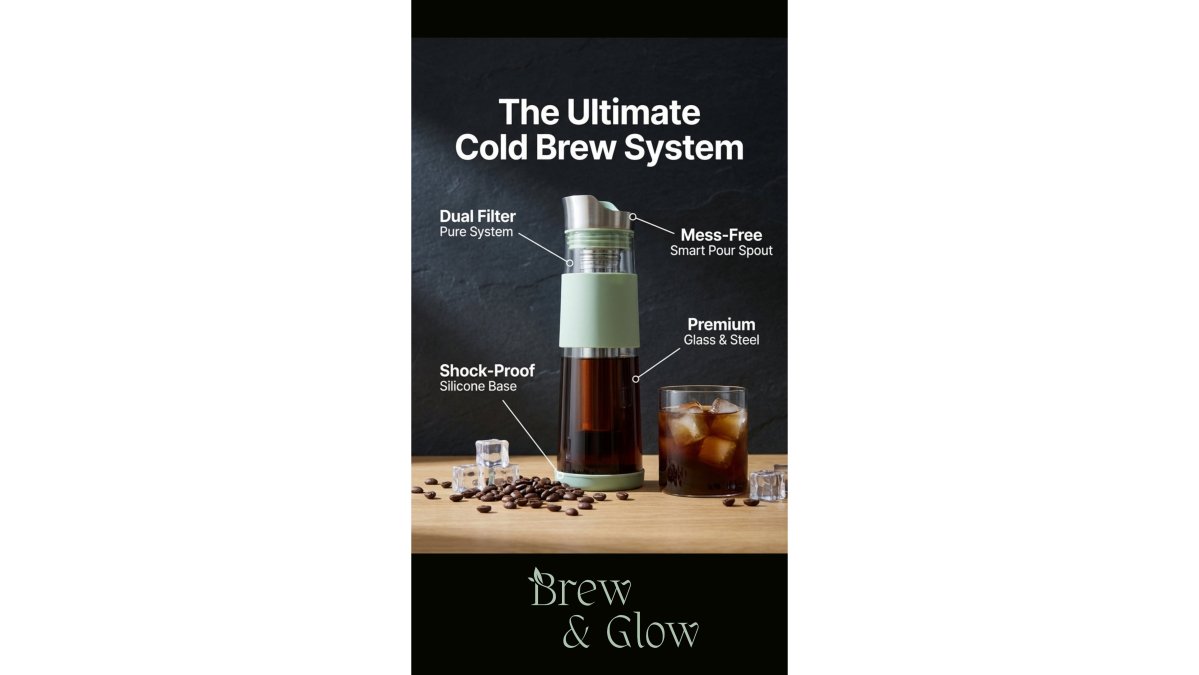
Use a high-quality brewer with good filtration. A brewer with a fine mesh or paper filter removes more sediment and fine particles that can contribute to stomach irritation. The Brew & Glow cold brew maker features double stainless steel filtration, which ensures a clean, sediment-free pour, something that matters more than most people realise when you have a sensitive stomach.
Low Acid Coffee Beans: What to Look for and How They're Different
Not all coffee beans are created equal when it comes to acidity. Some varieties and roasting methods naturally produce beans with lower acidic compound profiles.
Look for beans from lower-altitude regions. Coffee grown at lower elevations tends to have lower acidity than high-altitude coffee. Seek out beans from regions like Brazil, Sumatra, or other lower-elevation growing areas. These coffees are often described as having earthy, smooth flavour profiles rather than bright, fruity ones.
Choose darker roasts. The roasting process breaks down some of the acidic compounds in coffee beans. A dark roast will always be less acidic than a light roast from the same beans.
Check for beans specifically labelled low-acid. Some roasters specifically select and roast beans to minimise acidity. Brew & Glow's responsibly sourced beans are roasted to emphasise smooth, low-acid profiles, selected and processed specifically for people who want cafe-quality coffee without the stomach irritation.
Consider the processing method. Beans processed using the washed method tend to be brighter and more acidic. Beans processed using the natural or honey process often have lower acidity and more body. If you're buying directly from a roaster, ask about the processing method, it's a reliable indicator of acidity level.
Avoid blends with high-acidity single-origin beans. If you're sensitive to acidity, stick with single-origin beans from low-acid regions or blends specifically designed for low acidity.
Benefits of Cold Brew for Sensitive Stomachs and Who Should Try It
Cold brew genuinely offers benefits for certain people with stomach sensitivity, but it's not a universal solution.
Who benefits most: People whose reflux is primarily triggered by acidity, not caffeine, tend to see the most improvement with cold brew. If you can identify that sharp, acidic taste as your main trigger, switching to cold brew might provide noticeable relief.
Practical benefits: Cold brew concentrate keeps for days in the fridge, making it convenient for busy mornings. The smooth, naturally sweet flavour means you can enjoy coffee without the harsh edge that sometimes irritates sensitive stomachs.
Long-term considerations: If you switch to cold brew and experience relief, you're likely managing your reflux better without medication or major lifestyle changes. However, if you don't see improvement after two to three weeks, the issue is probably caffeine sensitivity rather than acidity, and you'd benefit from exploring decaffeinated options or reducing overall coffee consumption.
Who should be cautious: If you have severe GERD or your reflux is primarily caffeine-triggered, cold brew alone won't solve the problem. You might still experience symptoms even with the lower acidity. Decaffeinated cold brew or other low-caffeine alternatives are more likely to help.
Practical Tips for Brewing Cold Brew That Won't Trigger Reflux
Getting the brewing process right makes a real difference in the final cup's impact on your stomach.
Start with a clean brewer. Any residual oils or old coffee particles can contribute to stomach irritation. The Brew & Glow cold brew maker's double stainless steel filtration is designed to be easy to clean, with no hidden crevices where old coffee can accumulate and oxidise.
Use the right coffee-to-water ratio. Aim for about 1 part coffee to 4 parts water. This creates a concentrate that's smooth and balanced without being aggressively strong.
Don't rush the steeping process. The full 18 to 24 hours matters. A shorter steep might save time, but it means more acidic compounds remain in the final cup.
Dilute your concentrate properly. Cold brew concentrate is meant to be diluted, typically 1 part concentrate to 2 to 3 parts water or milk. Drinking concentrate straight is too intense and can irritate your stomach.
Store your finished cold brew in a glass container, not plastic. Glass doesn't interact with the coffee or leach chemicals over time.
Drink it earlier in the day. Consuming caffeine close to bedtime can trigger reflux by relaxing the LES when you're lying down. Have your cold brew in the morning or early afternoon, not in the evening.
Conclusion: Is Cold Brew Right for Your Reflux?
Cold brew is genuinely lower in acidity than hot coffee, and for some people, that difference is meaningful enough to reduce reflux symptoms. The smoother flavour, easier brewing process, and lower acid content make it worth trying if you've been struggling with coffee and heartburn.
But cold brew isn't a cure for acid reflux. It's a tool that works well for people whose reflux is primarily triggered by acidity rather than caffeine. If you try it and don't see improvement after a few weeks, the issue is likely caffeine sensitivity, and you'd benefit more from exploring decaffeinated options or speaking with a gastroenterologist about other approaches.
The real difference comes when you combine the right brewing method with the right beans. Brew & Glow's approach, pairing a precision cold brew maker with responsibly sourced, low-acidity beans, gives you the best chance of success. The Brew and Go Cold Brew Coffee Maker ($69.00) is designed specifically to produce smooth, sediment-free cold brew, and our beans are selected and roasted to minimise acidity while maintaining the flavour that makes coffee worth drinking. Shop the ritual and discover whether cold brew becomes part of your morning self-care practice.
Frequently Asked Questions
Q: Does cold brew coffee have lower acidity than hot-brewed coffee?
A: Yes. Cold brew's extended steeping process at lower temperatures extracts fewer acidic compounds and chlorogenic acid compared to hot-brewed coffee. Studies show cold brew typically has a pH around 6.0–6.5, while hot coffee sits closer to 4.85–5.10. However, lower acidity doesn't mean zero acidity, and caffeine content remains unchanged—both factors matter for gastroesophageal reflux disease symptoms.
Q: Are there specific low acid coffee beans that work better for sensitive stomachs?
A: Yes. Look for beans from lower-altitude regions (below 1,200 metres), which naturally contain less titratable acidity. Darker roasts also reduce acidic compounds during the roasting process. Testing individual tolerance is key, as stomach sensitivity varies. Some people find decaffeinated options reduce reflux flare-ups significantly.
Q: Can I drink cold brew if I have acid reflux, or should I avoid it entirely?
A: Cold brew can be gentler than hot coffee for some people with acid reflux, but it's not a cure. The reduced acidity helps, but caffeine still stimulates gastric acid production and relaxes the lower esophageal sphincter. Individual tolerance testing is essential—start with one small cup and monitor symptoms. Adding milk or plant-based alternatives can further buffer acidity. If symptoms persist, consult a gastroenterologist about your specific triggers.
Q: What's the best way to brew cold brew to minimise triggers for sensitive stomachs?
A: Use a 1:4 coffee-to-water ratio and steep for 12–16 hours (not longer, as extended extraction can increase certain compounds). Choose low-acid beans roasted within the past two weeks. Use filtered water to reduce mineral content. Double-filter to remove oils and sediment that can irritate the stomach lining. Serve with a splash of milk or oat milk to neutralise remaining acidity. Avoid additives like citrus or high-sugar syrups that trigger reflux.
This article was written using GrandRanker


