
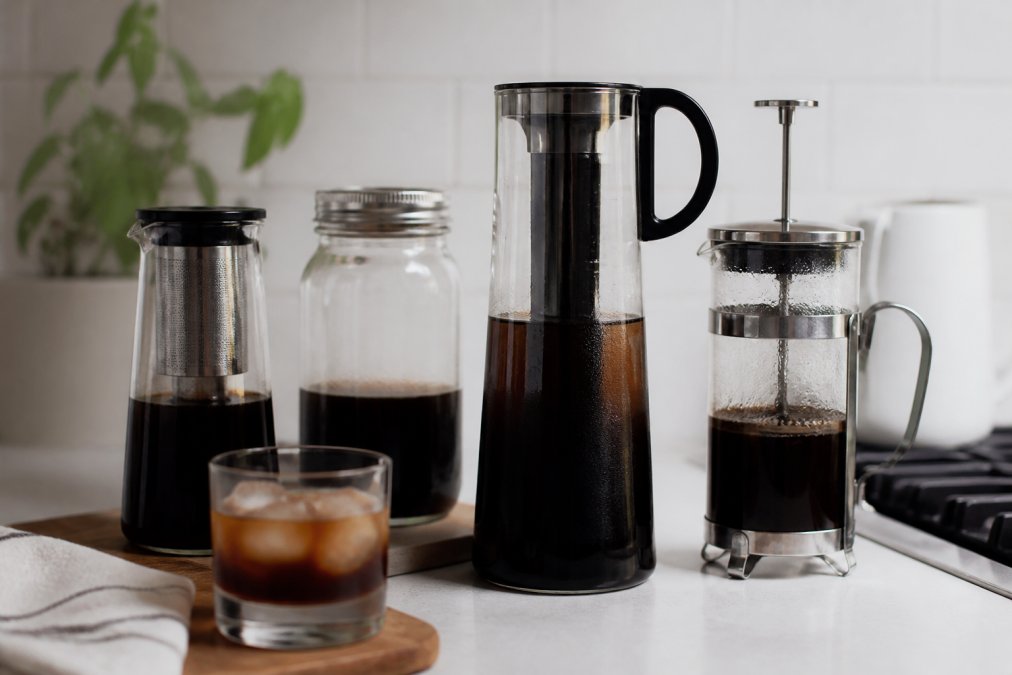
Table of Contents
- Why You Might Want a Hario Alternative
- Cold Drip vs Immersion Cold Brew: Which Method Suits You
- How to Make Cold Brew Coffee at Home Without Hario
- Cold Brew Extraction Time: Getting the Balance Right
- Low-Acidity Cold Brew Coffee Beans for Sensitive Stomachs
- Durability and Long-Term Value: What to Expect
- The Brew & Glow Difference
- Frequently Asked Questions
Last Updated: September 2, 2026
Why You Might Want a Hario Alternative
If you've invested in a Hario cold brew maker, you understand the appeal: minimal equipment, straightforward brewing, and a clean cup. But Hario alternatives exist for good reasons. Some find the glass carafe fragile, others struggle with the dripper mechanism clogging, and many want faster extraction without sacrificing smoothness.

The real issue is that one design doesn't suit every brewing style, lifestyle, or kitchen aesthetic. A busy professional has different needs than someone who views coffee preparation as ritual. A household with young children needs durability over delicacy. Someone with a sensitive stomach needs extraction methods that naturally lower acidity.
Exploring Hario alternatives means finding the approach that matches your actual routine and preferences. The range of cold brew makers available spans immersion vessels, slow-drip systems, concentrate makers, and hybrid designs. Each has genuine trade-offs worth understanding before you commit.
At Brew & Glow, we've worked with cold brew enthusiasts who switched from traditional drip systems to immersion-based brewing and immediately noticed the difference in sediment, flavour clarity, and ease of cleanup. That's because the method aligned with what they actually valued.
Cold Drip vs Immersion Cold Brew: Which Method Suits You
The distinction between cold drip and immersion cold brew fundamentally shapes your brewing experience, extraction time, and the coffee you end up drinking.
Immersion cold brew means steeping coarse ground coffee directly in cold water for 12-24 hours. The grounds remain in contact with water the entire time, extracting slowly and evenly. You combine grounds and water, wait, then filter. This method produces a full-bodied, naturally smooth cup because extended contact time extracts oils and flavour compounds while cold water temperatures prevent harsh tannin extraction.
Cold drip brewing uses gravity to pass cold water slowly through coffee grounds, drop by drop. A typical setup takes 6-12 hours and produces a concentrate, highly concentrated, intensely flavoured liquid you dilute with water or milk. The slow drip rate means less total contact time, resulting in a cleaner cup with more clarity and less body than immersion brewing.
If you value simplicity and minimal cleanup, immersion wins. If you prefer a lighter, brighter cup with pronounced flavour notes, cold drip is worth the investment. If you want a concentrate that stays fresh for two weeks and lets you make individual cups on demand, cold drip's concentrated output is a genuine advantage.
Immersion brewing suits people who brew in batches and consume the full litre within days. Cold drip suits households where people drink coffee at different times or want flexibility in strength and serving size. The best method is the one you'll actually use consistently.
Coffee extraction science research shows that water temperature and contact time are the primary variables controlling which compounds dissolve from coffee grounds. Cold water extracts more slowly and selectively, which is why cold brew tastes smoother than hot coffee made with the same beans.
How to Make Cold Brew Coffee at Home Without Hario
Making cold brew at home without a specialised Hario maker can be done, but the filter is the problem. You likely already own the essential equipment.
Start with a clean glass jar; a wide-mouthed mason jar works perfectly. Measure your coffee-to-water ratio: 1 part coarse ground coffee to 4 parts cold water is a solid starting point, though you can adjust toward 1:5 for a lighter brew. Coarse grind is essential because finer grounds over-extract during long steeping, creating bitterness and sediment.
Add grounds to the jar first, then pour cold water slowly over them, stirring gently to ensure saturation. Cover loosely and place in the refrigerator or cool, dark cupboard. Wait 12-24 hours. Longer steeping produces a stronger, fuller-bodied concentrate; shorter steeping gives a lighter, more delicate cup.
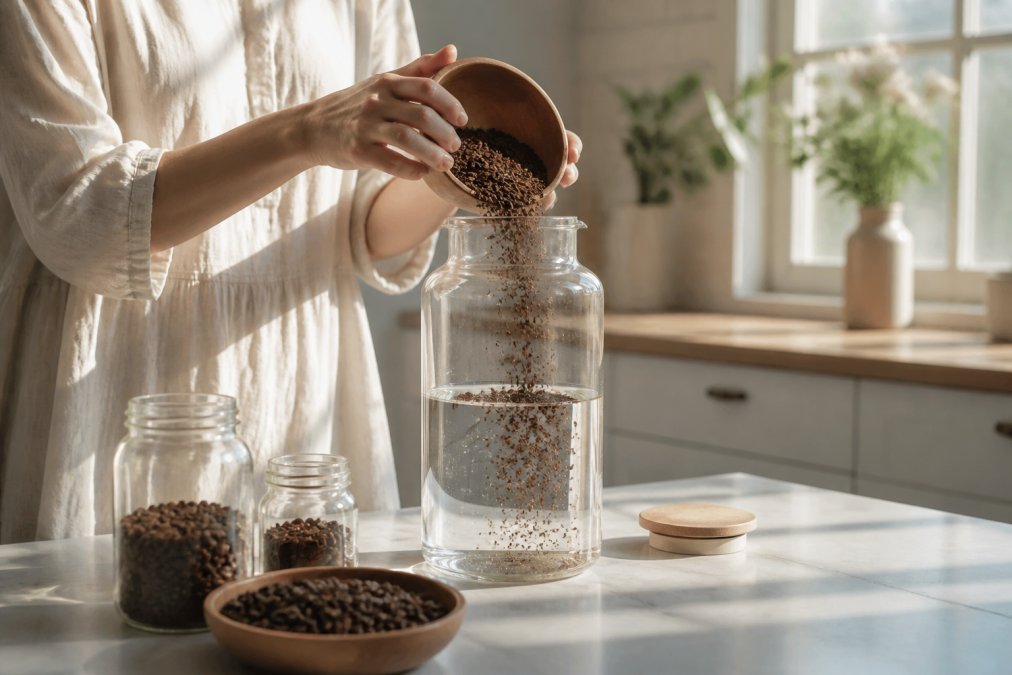
After steeping, strain through a fine mesh filter or cheesecloth into a clean container. For extra clarity, pour the strained brew through a paper filter a second time.
Store finished cold brew in an airtight container in the refrigerator. It stays fresh for up to two weeks. Serve over ice, dilute with water or milk to your preference, or use as a base for cold brew lattes.
The advantage is flexibility: you control the coffee-to-water ratio, steeping time, and grind size. The disadvantage is that you need to actively filter and manage the brew manually.
Cold Brew Extraction Time: Getting the Balance Right
Extraction time in cold brew matters because cold water extracts slowly and the window between under-extracted and perfectly balanced is wider than you might expect.
Under-extraction (8-10 hours) produces a sour, thin cup lacking body and sweetness. Cold water hasn't had enough time to pull sufficient soluble compounds from the grounds.
Optimal extraction (12-18 hours for immersion brewing) hits the sweet spot where you get full flavour, natural sweetness, and smooth mouthfeel without harshness.
Over-extraction (24+ hours, especially with finer grinds) pulls excessive tannins and bitter compounds. However, over-extraction is harder to achieve with cold water than hot brewing, which is why cold brew tastes smoother overall.
The variables you control are grind size, coffee-to-water ratio, and steeping duration. Coarser grinds extract more slowly, so you can steep longer without over-extracting. If your cold brew tastes sour, extend steeping time by 2-4 hours. If it tastes harsh or bitter, reduce steeping time or use a coarser grind.
Temperature matters too. A brew left on the counter extracts faster than one refrigerated during steeping. Most recipes assume refrigerated steeping, which is why the standard recommendation is 12-24 hours. Refrigerated steeping is more predictable and produces fewer off-flavours.
Low-Acidity Cold Brew Coffee Beans for Sensitive Stomachs
Cold brewing naturally produces lower-acidity coffee than any other brewing method, but the beans you choose amplify this benefit.
Cold water, at 4°C, extracts fewer acids than hot water (90-96°C). Even with 24-hour steeping, cold brew contains roughly 65-70% less acid than a cup of hot coffee made with the same beans (peer-reviewed research).
Bean selection matters. Some coffee origins are naturally higher in chlorogenic acid, typically African and some Central American coffees. Others, particularly Indonesian and Brazilian coffees, tend toward lower acid profiles. If you have a sensitive stomach, choosing beans from lower-acid origins amplifies cold brew's natural advantage.
Look for beans labelled as "low-acid" or "stomach-friendly," or from origins known for smooth profiles: Sumatra, Brazil, and Indonesian varieties. Darker roasts also tend to have lower perceived acidity than light roasts because roasting breaks down some acids.
Brew & Glow's responsibly sourced, low-acidity coffee beans are specifically selected for smooth extraction in cold brewing. The combination of origin selection, roasting profile, and cold water extraction means you're getting coffee that's genuinely easier on sensitive stomachs. Alex, a customer, noted that 'The low acidity really makes a difference... Finally a decaf I can enjoy.'
Many people who thought they couldn't tolerate coffee find that cold brew with the right beans sits comfortably.
Durability and Long-Term Value: What to Expect
When you're investing in a cold brew maker, you're betting on durability. A $60-$70 upfront cost only makes sense if the equipment lasts years.
The primary durability concern with traditional glass cold brew makers is the seal. Most designs rely on a rubber gasket or silicone seal that degrades over time with repeated washing and temperature changes. After 18-24 months of regular use, these seals often fail and your brewer leaks. Replacement gaskets cost $8-$15, but if you can't source them, you've got a non-functional jar.
Borosilicate glass itself is durable, but the lid mechanism is where most cold brew makers fail. Plastic lids crack. Metal lids rust if the seal fails. Hinged lids loosen over time.
The best long-term value comes from makers with minimal moving parts and easily replaceable seals. Brew & Glow's patented design uses borosilicate glass with a stainless steel frame and silicone base that absorbs shock. The pour mechanism is engineered for longevity.
When comparing options, ask whether replacement seals are available separately and how much they cost. If a maker's seals aren't sold as spare parts, durability wasn't a design priority. Check whether the lid is field-replaceable; some makers seal the lid permanently, meaning a failed seal means a dead brewer.
Durability is sustainability. A cold brew maker that lasts five years reduces your per-cup environmental cost compared to one that fails after two years and ends up in landfill.
The Brew & Glow Difference
Brew & Glow's approach to cold brewing starts with a different premise: that your morning coffee ritual deserves intentionality.
The Brew and Go cold brew maker combines borosilicate glass and stainless steel construction with a patented pour mechanism that delivers clean, sediment-free cold brew without mess. The double filtration system means no grounds in your cup or grit at the bottom. The shock-proof silicone base protects against drops, a genuine advantage with young children or crowded kitchens.
Brew & Glow pairs the maker with responsibly sourced, low-acidity coffee beans selected specifically for cold brewing. The beans are roasted to a profile that extracts smoothly in cold water, so you're not fighting extraction variables or guessing at steeping times. You brew and get a smooth, cafe-quality cup.
The low-acidity profile, 70% less acid than standard cold brew, makes a real difference for anyone with a sensitive stomach. Alex, a customer, noted that 'The low acidity really makes a difference... Finally a decaf I can enjoy.'
When your brewing equipment is designed for simplicity and your beans are chosen for smoothness, the process becomes something you enjoy rather than tolerate. You're not troubleshooting a finicky dripper or filtering out sediment.
For busy professionals, the appeal is efficiency: a foolproof system delivering cafe-quality results without fussing. For design-focused homeowners, the aesthetic matters, borosilicate glass and stainless steel look intentional on a kitchen counter. For anyone with a sensitive stomach, the low-acidity beans solve a real problem.
The Brew and Go costs $69.00. At roughly $8 per litre of cold brew, you're paying the equivalent of a single café coffee for a full week's supply. For most people, the maker pays for itself within the first month of daily use.
Choosing a Hario alternative for better cold brew is about finding the system that matches your actual needs. If you value simplicity and durability, have a sensitive stomach, or want cold brew that's genuinely cafe-quality without the cafe price, the Brew and Go delivers on all fronts. Cold brew chemistry and extraction research confirms that cold water extraction naturally produces smoother, lower-acid coffee. Pair that with beans specifically selected for cold brewing and a maker engineered for longevity, and you've got a system that works. Shop the ritual at Brew & Glow and experience the difference a thoughtfully designed cold brew system makes.
Frequently Asked Questions
Q: What makes a Hario alternative actually better for cold brew?
A: The best Hario alternatives focus on durability, ease of cleaning, and flavour consistency. Look for borosilicate glass construction that resists thermal shock, airtight seals that prevent oxidation over 24 hours, and double-filtration systems that deliver a clean cup without sediment. Many alternatives also prioritise low-acidity extraction, which reduces stomach irritation and enhances the natural sweetness of the beans.
Q: How long should cold brew extraction take for the smoothest flavour?
A: Immersion cold brew typically requires 12 to 24 hours of steeping time, depending on your coarse grind size and desired brew strength. Longer extraction increases flavour clarity and reduces acidity, but over-extraction beyond 24 hours can lead to tannin extraction and bitterness. Cold drip methods are faster, usually completing in 4 to 8 hours, making them ideal if you want a quicker turnaround without sacrificing smoothness.
Q: Can low-acidity cold brew beans really help with a sensitive stomach?
A: Yes. Cold extraction naturally reduces acidity by 60 to 70 percent compared to hot brewing, and choosing low-acidity bean varieties amplifies this benefit. Beans processed using methods like Swiss water decaffeination often have lower acid compounds. Many people with acid reflux or sensitive stomachs report noticeably smoother, gentler coffee when they switch to cold brew with low-acidity beans, though individual tolerance varies.
Q: Is a premium cold brew maker worth the investment over a simple glass jar?
A: A dedicated cold brew maker offers several advantages: reliable airtight seals prevent oxidation and flavour degradation, integrated filtration systems eliminate sediment without extra cleanup, and durable borosilicate glass lasts years without cracking or clouding. A simple jar works but requires careful storage and manual filtering. Premium makers like the Brew & Go pay for themselves within weeks through reduced café visits and consistent café-quality results at home.
This article was written using GrandRanker


